
Pet Relocation Services in Canada
Pet Travel Advisors is a pet relocation company that arranges pet transport and pet shipping for dogs, cats and other pets. We move them from one province to another, from Canada to countries around the world, and between Canada and the US. We move pets door to door; a move can also begin or end at an airport. A driver collects your pet at home, and we look after the crate, the flight and, for a move abroad, the CFIA export certificate. At the far end, your pet is collected and brought to its new home. We look after the whole move for you, from planning to your pet’s arrival.
- IATA Live Animals Regulations certificates held by our team
- A written quote and plan, set out before you book
- A team member with your pet at airport check-in
- A single coordinator on your file, start to finish

Our Pet Transportation Services
The moves we look after, within Canada and from Canada abroad.
Domestic Pet Transport
Moving between provinces, in the air or on the highway. A driver handles a road move from one province to the next, and a flight is planned around your pet’s size, its breed and the Canadian winter.
International Pet Transport
Moving from Canada to another country: the CFIA-endorsed export certificate, an import permit where one is needed, a crate that meets the airline’s rules, a flight from a Canadian gateway and the hand-off on arrival, sequenced as the destination’s requirements dictate.
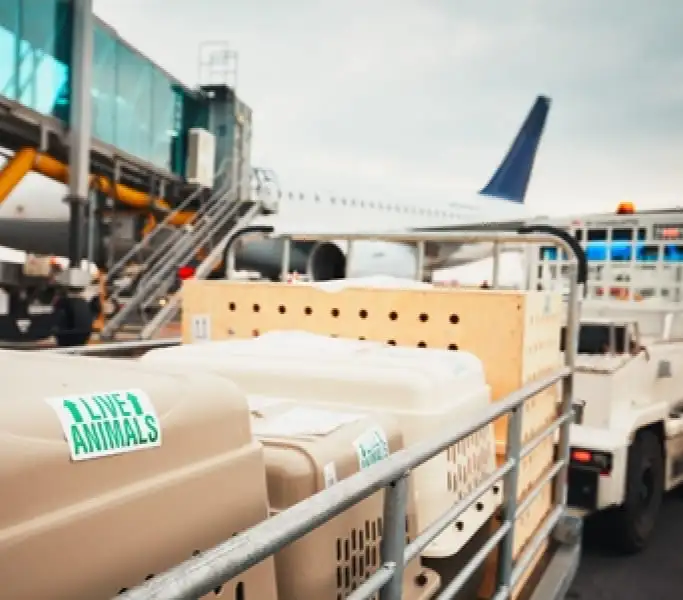
Door-to-Door Pet Relocation
Pickup at home by a driver, for homes about one to two hours from the departure city, then airline check-in handled by a member of our team. When the flight lands, your pet is collected at the airport, or from quarantine if the country requires one, and brought to the new address.
Moving a Pet to Canada
Bringing a dog or cat home to Canada from the US or from abroad, planned around what Canada asks for on arrival, as our guide to bringing your pet to Canada sets out.


Consultation & Planning
Share the route, the date, and your pet’s breed and measurements. The plan accounts for the time of year, the airline’s rules and the destination’s import requirements, and arrives with a written quote before booking.
Vet Checks & Crate Preparation
Your veterinarian handles the exam, vaccinations and microchip. The export documents are put together and reviewed against what the destination asks for, and the crate is sized to the airline’s requirements.
Booking and Airport Check-In
Flights are booked with the time of year and each airline’s pet policy in mind.
Final Delivery
After landing, your pet goes to the new address, or is first released from quarantine if the destination requires one.
How far ahead to plan your pet's move
The country your pet is moving to sets the earliest day it can land, not the airline. Some need three weeks, some need seven months. Pick a destination to see what has to happen, and when, if you start today.
From each country's official entry rules.
Earliest landing for a dog or cat
Starting today- Day 0 ISO microchip and first rabies shot
- Day 30 Second rabies shot and blood drawn for the rabies titre test
- Wait The pet arrives 180 days or more after the blood draw, counting the draw as day 0
- By day 170 Advance notice to the Animal Quarantine Service
- Day 199 Vet exam for the health certificate and CFIA endorses the health certificate
- Day 210 Earliest landing in Japan
Quarantine on arrival: None when every step is complete. Otherwise detention at the quarantine facility for up to 180 days at the importer's cost.
- Day 0 ISO microchip, rabies shot (the last one before the blood draw), blood drawn for the RNATT (rabies titre test), the laboratory receives the RNATT blood sample and CFIA official checks the microchip for the Identification Declaration
- Wait Export is 180 days or more after the laboratory receives the blood sample
- By day 175 Australian import permit issued
- Day 175 Final vet exam and microchip scan and CFIA official vet endorses every page of the certificate
- Day 180 Earliest landing in Australia
Quarantine on arrival: Post entry quarantine of at least 10 days with the identity check done before the blood draw, 30 days without it.
- Day 0 ISO microchip and rabies shot
- Day 30 Blood drawn for the rabies titre test and titre result issued by the laboratory
- Wait The blood sample is taken 3 months or more before the pet moves to Türkiye
- Day 118 Vet exam for Türkiye's Veterinary Health and Origin Certificate and CFIA endorses the second copy of the certificate
- Day 120 Earliest landing in Türkiye
Quarantine on arrival: None on a complete file. A pet that fails the checks is sent back, quarantined where possible, or destroyed, at the owner's cost.
- Day 0 Blood drawn for the rabies titre test
- Wait The titre blood is drawn 90 days or more before arrival
- By day 60 Rabies shot
- By day 70 Import quarantine permit applied for online
- By day 90 Microchip, APHIA issues the import quarantine permit, vet exam for the health certificate and CFIA endorses the health certificate
- Day 90 Earliest landing in Taiwan
Quarantine on arrival: 7 days at an APHIA facility, unless the pet meets the waiver.
- Day 0 First rabies shot
- By day 31 Electronic microchip, blood drawn for the FAVN rabies titre test and the approved laboratory receives the FAVN sample
- Day 31 Second (most recent) rabies shot
- Wait The most recent rabies shot is more than 30 days before arrival
- Day 48 Vet exam for the health certificate and tick treatment by a vet
- By day 52 Animal Quarantine Station receives the document set
- By day 62 CDC Dog Import Form receipt (dogs)
- Day 62 Earliest landing in Hawaii
Quarantine on arrival: None with every step met: Direct Airport Release in Honolulu. Otherwise the 5 Day Or Less program, or up to 120 days.
- Day 0 ISO microchip and rabies shot (the first, or the last of the first course)
- Wait The pet arrives after 21 full days from the shot; day 1 is the day after the shot, so day 22 at the earliest
- Day 12 Official vet issues the Great Britain pet health certificate (CFIA)
- Day 17 Tapeworm treatment by a vet (dogs)
- Day 22 Earliest landing in the United Kingdom
Quarantine on arrival: None when every rule is met. Otherwise quarantine for up to 4 months, or sent back, at the owner's cost.
- Day 0 Microchip and rabies shot
- Wait A first rabies shot is valid for entry from 21 days after it is given
- Day 11 Licensed vet examines the pet and signs the EU certificate and CFIA endorses the certificate
- Day 21 Earliest landing in France
Quarantine on arrival: None on a complete arrival. If a rule is not met, officers can order the pet sent back, quarantined or put down, at the owner’s cost.
- Day 0 Earliest landing in Mexico
Quarantine on arrival: None. SENASICA inspects the pet on arrival; if it carries ticks or other external parasites, a vet treats it at your cost.
- Day 0 Microchip a universal scanner can read (dogs) and CDC Dog Import Form receipt (dogs)
- Day 0 Earliest landing in the United States
Quarantine on arrival: None set by CDC for a dog that meets these rules. A dog that looks sick may need a vet exam at the owner's cost.
The minimum the rules allow for a pet with nothing done yet. A pet with current rabies shots can often go sooner; a lab's time to report a titre result, or a full flight, can add days. We plan your pet's own dates in the quote.
Which pets do we relocate?
Dogs and cats travel from Canada, and so can birds, rabbits and reptiles, as long as the airline carries them and the destination admits the species. Every move starts by confirming the species can go.

Dog Relocation
A dog’s size and breed set its route. Larger dogs travel in the hold or as cargo, inside a crate whose minimum size follows IATA’s formula, and snub-nosed breeds face extra limits at several airlines, which our breed restrictions guide covers.

Cat Relocation
Cats that fit an under-seat carrier often travel in the cabin with their owner, where the airline allows it. Otherwise a cat flies in the hold, and time spent with the crate at home beforehand makes the day easier.

Bird Relocation
Birds can travel where the airline carries them and the destination admits the species. Some species need CITES paperwork to cross a border, so the permits come first and the flight second. The bird and exotic transport page describes the process.

Small Pet Transport
Small animals such as rabbits, guinea pigs and hamsters fly in a ventilated carrier on airlines that take them, and the airline confirms the route before anything else.
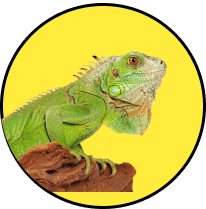
Exotic Pet Transport
A reptile or amphibian can move when both countries and the airline permit it. Each of these moves starts with an eligibility check, and for some species the answer is no.
Where We Operate
Pickup and delivery run from the cities below, by province. Each city page covers its airport and how a move from there works. Regional guides cover:
For a move across the border in either direction, see pet transport between Canada and the USA.
Frequently Asked Questions
How does international pet transport from Canada work?
The plan runs backwards from the destination’s requirements. Common requirements are a microchip, proof of rabies vaccination and an export certificate the CFIA has endorsed, and some countries also want a rabies titre test, a permit issued before arrival or treatment for parasites, each timed to the flight. Each destination guide sets out the steps in order.
Can you move my pet across provinces?
Yes. A move between provinces runs by air or by road with a driver, and we plan which one around your pet and the season, because Air Canada limits pets in the baggage compartment of some aircraft in winter. Our guide to moving pets across Canada compares the two.
Do you offer air pet travel from Canada?
Yes. A pet can fly in the cabin, as checked baggage or as cargo, depending on its size, the airline and the route. Air Canada says its temperature-controlled and ventilated baggage compartments are available only on certain aircraft, which is why the aircraft is checked as well as the airline.
What credentials does your team hold?
Our team holds IATA Live Animals Regulations certificates, and our documentation follows CFIA requirements. When you compare services, the things worth checking are training, references, and whether one named person owns your file.
How much does pet relocation cost?
Five things set the price: the route, your pet’s size and crate, the airline, the time of year and what the destination charges. The cost calculator lists the government and airline charges for each route from Canada, and a quote gives the full figure for your move.
How long does the pet relocation process typically take?
A move within Canada is set by the airline’s booking, the season and your vet’s appointment rather than by any waiting period, so it needs weeks rather than months. A move abroad takes as long as the destination’s rules need: a pet going from Canada to a European Union country cannot land until 21 days after its first rabies vaccination, and needs 4 to 6 weeks of preparation by our own estimate, or about 7 weeks if its rabies vaccination has to be redone and the 21-day wait starts over, while Australia takes several months, set out step by step in our Australia guide.
What size crate does my dog need?
The inside of the crate has to meet IATA’s minimum, worked out from four measurements of your dog, and each airline adds its own limits. The crate size calculator on our US site does the arithmetic. Our guide to airline crate requirements in Canada covers what the airlines check.
Can my cat fly in the cabin?
Often, if it fits an under-seat carrier and the airline takes pets in the cabin on that route. Air Canada’s pets page allows one cat or small dog in the cabin per passenger. Our guide to flying with a cat from Canada covers the carrier and the airport.
Ready to move your pet?
Share where your pet is going, across Canada or abroad. The flights, the travel documents and the door-to-door legs are looked after as one move.